How Big is Australia Really?

I’m proud to be an Australian but love the country of Ethiopia where I worked for many years. Maybe wrongly, but I have often thought that many people think of Ethiopia as a small insignificant African country. And, possibly again wrongly, I have felt that some Australian professional people have felt themselves superior to those working in these ‘backward countries’. I guess this sort of thinking sprang into my mind again when I was watching an Indian movie last night. How can India produce films as good as Hollywood? Well the one I watched last night was better (different) than many I see from the USA. Maybe because they have 1.4 billion people from whom to choose good actors? But let’s not go too far down that road.

Ethiopia is a small African country. It is about sixty percent of the size of Queensland, or about 4 times as big as Victoria. It has a population four times that of Australia. If you want to compare its history with Australia’s, it is much older. Well, if we accept ‘Lucy’ as being one of the first human being, then it is older than our Original Australian’s history, and much much older than white Australia. Their ruling dynasty which ended with the murder of Haile Selassie in 1975 dated back to the time of King Solomon in Israel. Solomon died over 3,000 years ago. Then why is it backward? I would offend Ethiopians by asking that for they are very, and in many ways justifiably, proud of their country and people. Certainly they are progressing much more rapidly than the West did!

It has spectacular beauty; said to have massive gold and oil deposits; heights extend from 125 metres below sea level to 4,550 metres; there are enough rivers that all its electricity is hydro-produced.
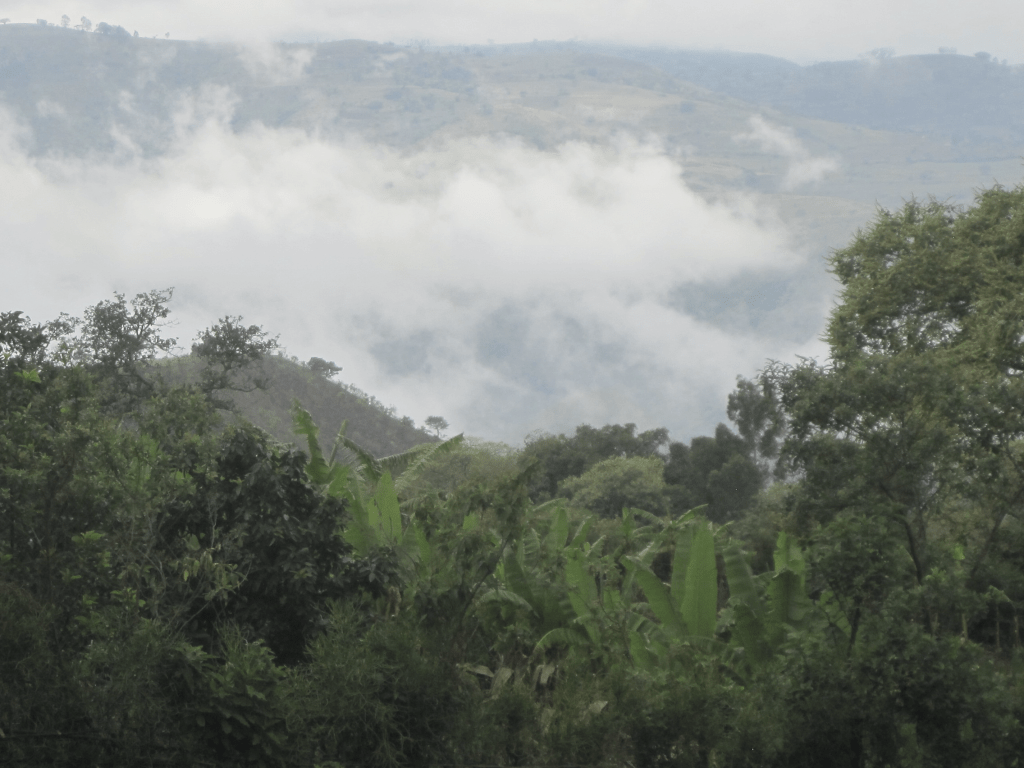
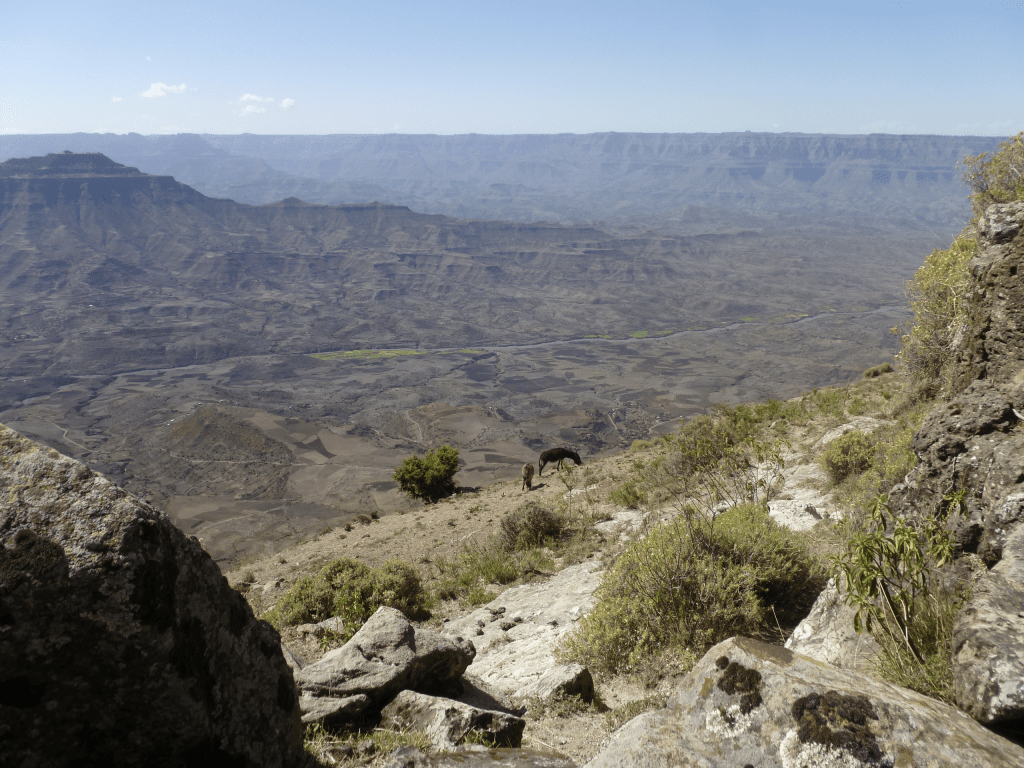
But I really started to write about tertiary education. In 1968 when we arrived in Addis there was one University with 1,000 students. Now there are 30 Universities plus 61 other recognized private places with Higher Education standards.

According to my Mr Google – our University in North Queensland (JCU) has 17,500 students. Of the two Universities, where I mainly taught, Jimma University has 45,000, and Arba Mintch has 34,000. When we went to Ethiopia there were 300 doctors in Ethiopia and only 13 were Ethiopians. When I went to Arba Mintch in 2011 there were there 20 medical students per year, and when I left in 2016 there were 170+/year. In that same year, country wide, they graduated 3,000 young doctors. They are paid so little that many as soon as the government permits them they leave the country for richer paying fields – often to other African countries.

The last graduation I attended for doctor, architecture and Urban Planning graduates.

Maybe life was never meant to be fair, but a little more fairness would be nice.

Dominic Cartier

India to Ethiopia -1968

I had spent five and a half months in India and my wife had joined me for the  last couple of months. We had been down in the south near Kerala, but flew to Delhi to pick up our visas for Ethiopia where we planned to work for many years.

We stayed in old Delhi and caught a taxi to go to the Ethiopian Embassy in new Delhi to get our visas for Ethiopia. Our taxi was passed by another taxi and our driver saw that as a cause for a race. On the road ahead we could see two ‘coolies’ carrying a telephone pole on some sort of towels on their heads. The other taxi went in front of them; instead of slowing down, to let them pass, our driver went between the two men under the pole! It taught me about what are sometimes called ‘telegram prayers’. 

Not that trip but an Indian taxi with our eldest son.

We got our visas stamped into our passports.

In the middle of the night a day or two later we very carefully prepared our stuff to travel to Ethiopia. Knowing that the weather in Ethiopia, arriving at about 8,000 feet above sea level, can be very cold (and also because of the weight) we wore our winter jackets, packed two very small cases for the two boys, each weighing maybe 2 kg, our own hand luggage to the allowed limit and our bags were within the weight limits. I can’t remember exactly but I think the boys didn’t get a normal allowance. At the counter, as we booked into the flight, we were ordered to take off our 4 jackets, both adults and children; put all our hand luggage on the scales, and of course then we were well overweight for the luggage travel allowance. We were charged US$70 (worth about US$520 today), given our coats back to wear and our hand luggage to carry and put on the plane! I was a bit ‘cheesed off’, but there was a sense in which we got our money’s worth. The plane had few passengers and we had enough seats for both parents to have 2 empty seats for the then small boys to lie down and sleep.

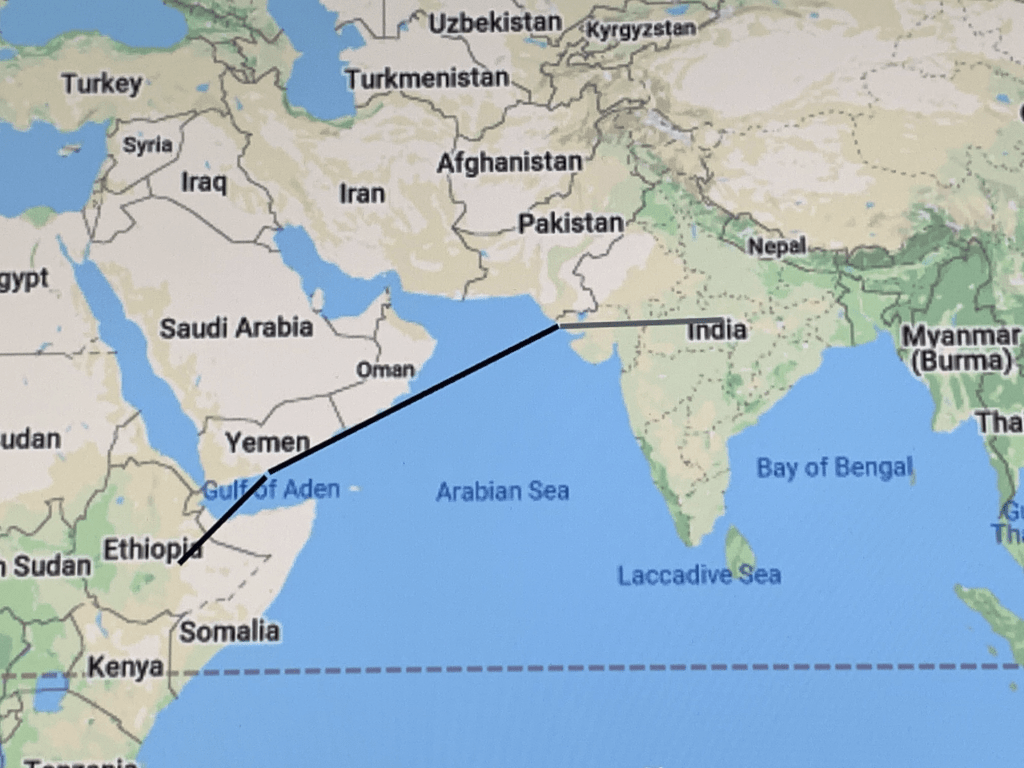
We arrived in Karachi and dozens of Chinese, on their way to Tanzania, began filing onto the plane. The hostess indicated for us to allow the boys to keep sleeping. The Chinese kept filing in, and the hostess kept signalling us to let the boys sleep. In the end the plane was full but with the boys occupying 2 seats each; and they slept almost all the way.

roughly the route taken

Leaving Karachi, we travelled at about the same speed as the rising sun moving from East to West, so that we had a beautiful view of the sun arising on the Arabian Peninsula Coastline for several hours, before turning south-west towards Addis Ababa. It was great to look down on the thousands of Australian gum trees which grow in abundance in Ethiopia. 

coming into land in Ethiopia

My cholera injection, given the time I had spent in India, was one day out of the six month expiry date. So while my wife and the boys passed through, and went to where we were to stay at the mission  headquarters. I was taken to quarantine. Fortunately I was able to discuss reasonably with a doctor there, who gave me a shot and I travelled to our place. Entering the room, my distressed wife threw her arms around me and stopped crying sad tears for joyous ones. The kids looked up from their lego, but did seem pleased to see me. 

Dominic Cartier

Walking Down Memory Lane

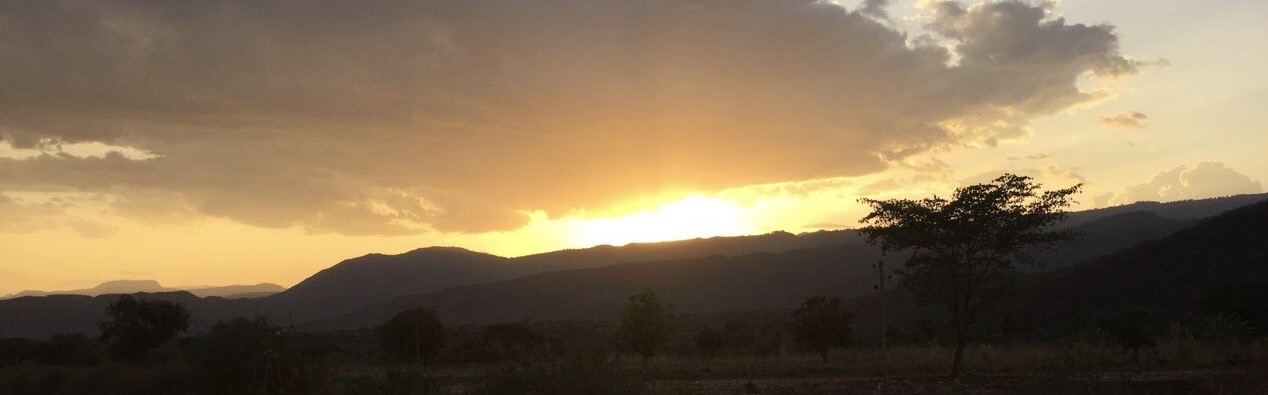
African sunset

I try not to just live on memories. But I sleep a lot; walk slowly with a stick; or if the family goes out together they take me in a wheelchair to speed things up. I still can think clearly (or so I think) and I don’t find it easy to hand over all the control to a son who does almost everything about the place. He’s gracious and I’m trying – maybe in two senses of the word!

But memory lane is mostly pleasant to walk down. I’ve been transferring slides and photographs onto my computer and it has been a bit tedious but full of memories. Here are a few of them.

OV dams from hill copy

I used to own much of the land seen in this photo, but most of it is now sold. Some of the money enables us to live, but much has been invested in lives in Ethiopia. Those lives are very pleasant to remember and the memories give great joy. Some were sick; some were destitute; some needed education, but all were real people, and needed loving. Not always emotional love, but rather helping love. Some are dead already, I guess, but the money and effort was not wasted.

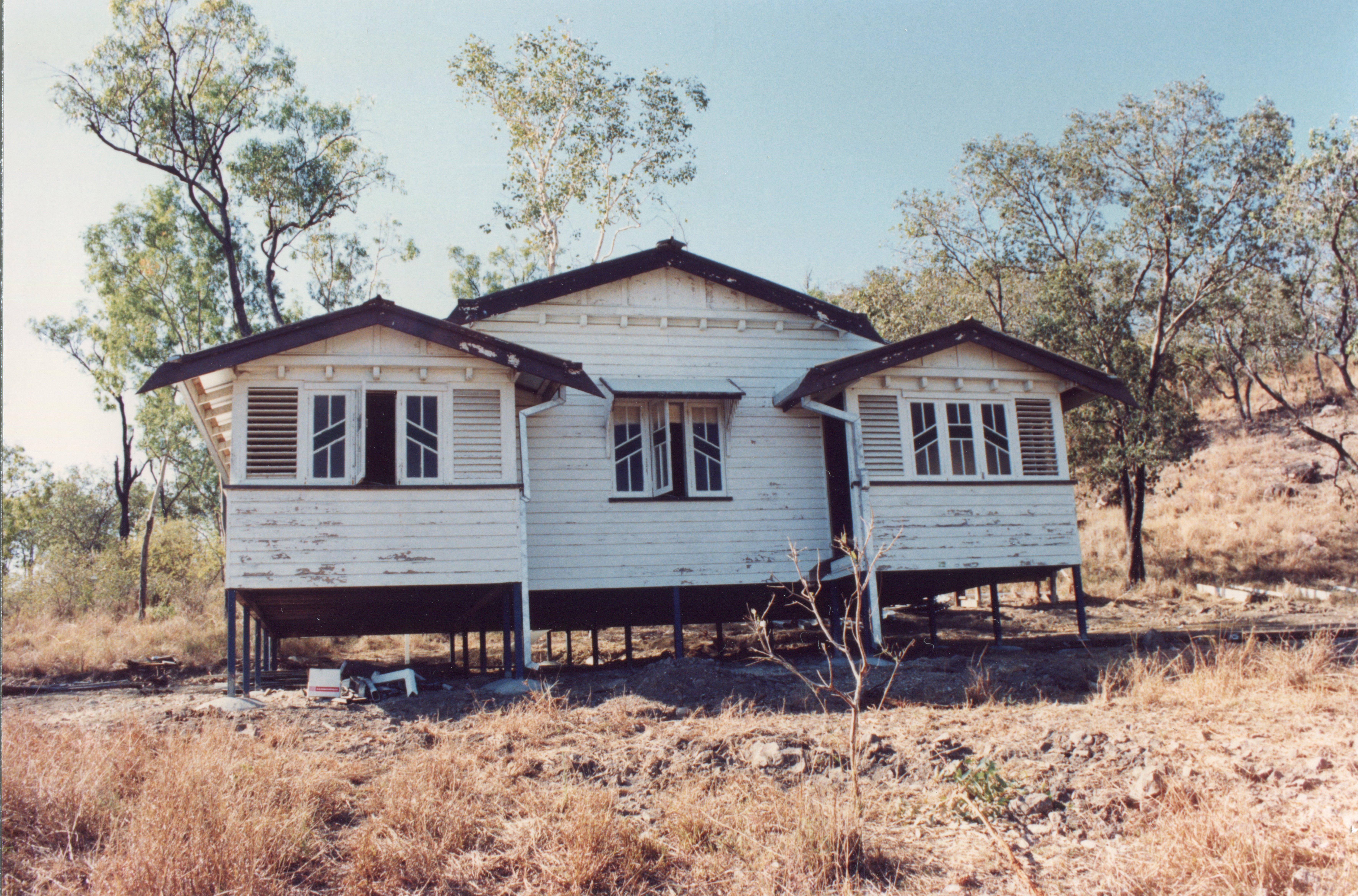
OV house 1 copy
When I was in Australia for several years, about 35 years ago, I bought this old house for $3,000 and we had it transported. It still stands today looking much better and surrounded by trees. 

My computer collection of pictures begins from over sixty five years ago. I didn’t get a camera until I was in my older teens, so although there are a few photos of even great grandparents, mostly the photos start from when I met an amazingly beautiful young teenager. I started to ‘chase’ her from the day I first met her! We will have been married for fifty eight years come December. I’ve got about two thousand more slides and many photos to go through. What a lot of memories still to come!

street huts copy
Sorry about the focus, but these are the street huts people were living in on the street opposite the main government hospital in Addis Ababa.

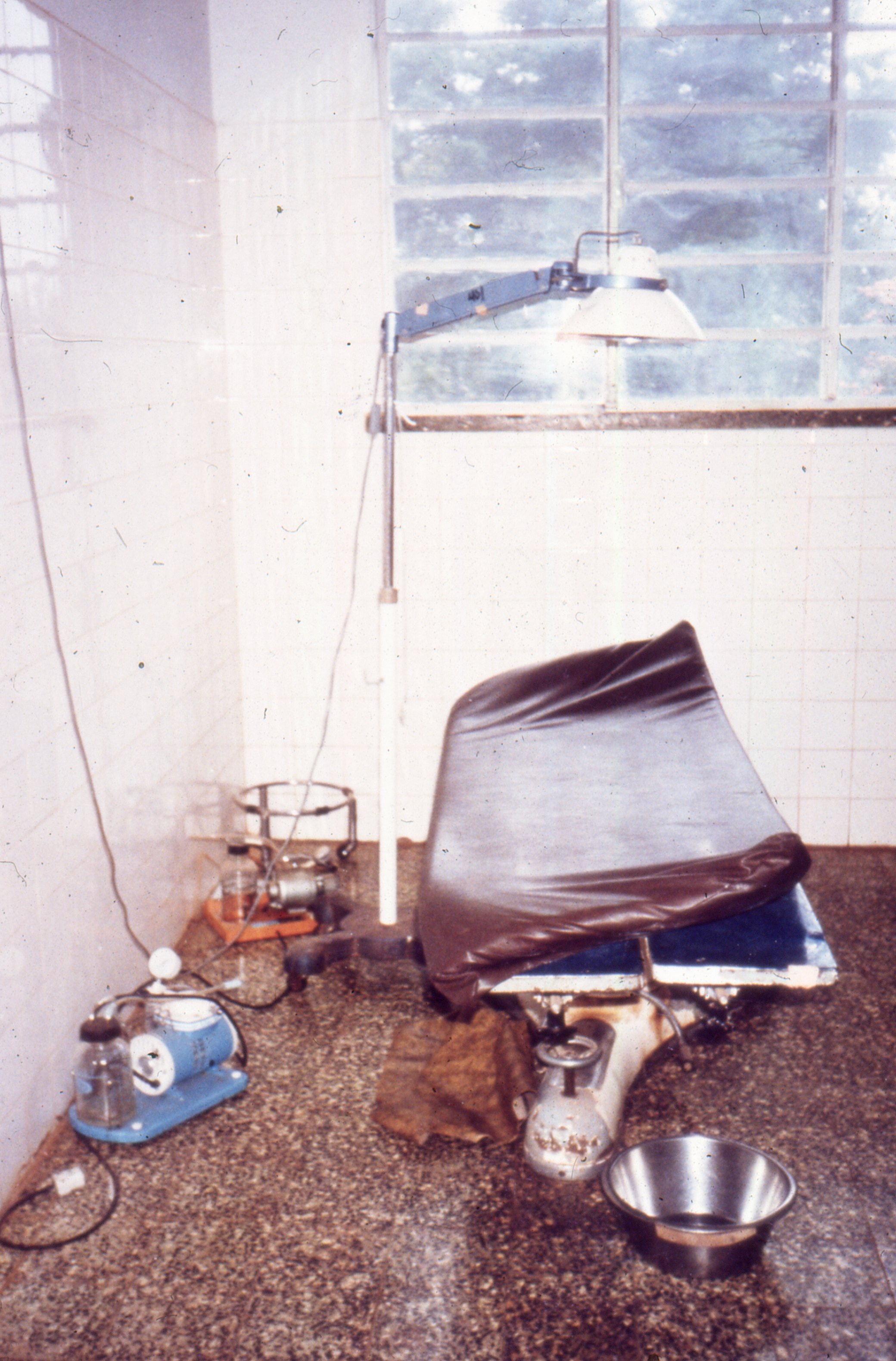
Eth OR 01 copy
And this was one of the operating rooms that first greeted me in 1994

a day's operating copy
This is a list of one day’s emergency surgical admissions. The writing is terrible, but listed below it reads disease-wise ….

appendicitis; intestinal obstruction; intestinal obstruction, volvulus; acute appendicitis; Peritonitis from perforated duodenal ulcer; appendiceal abscess; stab wound to the abdomen; rectal fistula; oesophageal cancer; penetrating abdominal knife wound. Most of these would have needed surgery the same day except the oesophageal cancer which would need work up and time.

Yakob copy
As a baby I found him, deserted,  being swept around on the floor of the paediatric ward.

Now he has a tertiary education and this should mean a satisfying life.

Money is useful if you use it wisely. Memories are more precious!

Dominic Cartier

Tom is Alive

African sunset

None of us men could even begin to imagine what it would be like. Maybe you ladies could. Try to imagine living in a family; being the first of four wives all living in the same compound; there are plenty of kids from babies to teenagers; you’ve delivered fourteen babies and they’re all dead.

M family home
Usually the husband had the largest house and each wife with her children had a smaller one.

Now you’re pregnant again and your heart is so full of hope!

Your husband loves you, but you share that love with three other wives. The months go past, your belly fattens, the kicks start coming, your hope and your fears grow and jostle in your mind. Seven months gone, only two more to go. A few days pass and your waters break. Oh, no, surely not another so tiny that it won’t survive,

But your husband loves you, so, although babies are usually born at home, he gets a horse and cart and takes you to the nearby infidel’s hospital so that maybe you’ll get a live one at last. He does really love you.

They have funny customs, but they look after you and you deliver a scrap that when you see him you can’t believe that he can live, and he certainly wouldn’t have in your home. They take him away from you. Not to say they are nasty, they care for you, express your breasts (both of them) and feed him through a little tube down his nose. They make another uterus for him out of a card-board box lined with cotton wool. They put an electric light in the end to keep his new home warm. They run oxygen into the box at first but after a few weeks decide he doesn’t need it any more.

IMG_2937 copy 2
About this size he was taken home.

One of the foreign women takes him to her house each night because she explains that she wants to make sure he gets his 2-hourly feeds at night. You can see she loves both of us and wants him to live. You learn her name is ‘Hirut’ but lots call her ‘Ruth’. Her own two boys love to come and watch him with you. They love him, you can see, like a brother.

Gradually they teach you to sponge him down, and to feed your own milk down the little tube. Eventually you’re allowed to hold him for a while. He holds your finger; he pees into your face as only little boys can; he takes your heart in his hands and your hope grows. But then goes back into his box.

Then your breasts dry up and they start to feed him in a powder from a tin which they mixed with boiled water and let him drink from a bottle with a breast slipped over the end. They teach you to test the warmth of the milk substitute by dropping a bit onto your wrist. They always clean up the bottle and the little ’breast’. They explain this is necessary and teach you how to do it properly. They explain it is very necessary to do all this.

He’s soon no longer living in his box. They teach you to do it all so well. He grows so beautiful. You see Hirut would love to keep him, she has spent so many nights and so much effort, but she just encourages you and gives him lots of little clothes that her own boys wore. All the hospital love and they call him Tom. He kicks, he laughs, he cries, He’s beautiful. It’s time to take him home. The nurses give you a little party and then your loving man takes you home. Everyone there is excited for you and they love him.

Five days later, he’s running a temperature; another two days later little Tom is dead.

No one at home boiled bottles and their water came from the creek in which people bathed and near which they did their ‘business’. He got diarrhoea, started vomiting and died.

Later you got the courage to go back to the hospital and told them the news – they cried with you, and hugged you and loved you. As you left you missed hearing them say to one another ‘It was all our fault. We should never have been so clean.’

But sadly, Tom is dead.

Life isn’t meant to be that hard!

African sunset


soddo kids.jpg
Life is different in the countryside in Ethiopia. There are kids everywhere and they aren’t taught not to trust you. This may cause some problems but I think that they are less likely to be molested than in the West. Median age of Ethiopia is 19.

20121201_092717 copy
Only one arm (due to a native healer mishandling a fracture), but what a smile.

You may not want to read more if you’re a bit squeamish! But it isn’t as bad as many kid’s TV programs – except that it is real. I really loved the kids I dealt with!

Continue reading “Life isn’t meant to be that hard!”